Breed comparison
Compare Chicken Breeds Side by Side
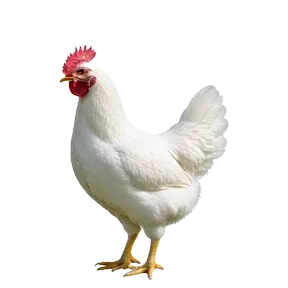
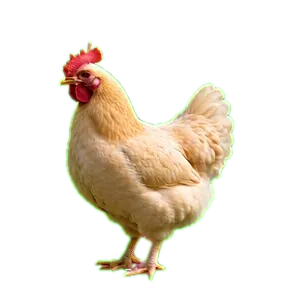
| Trait | White Leghorn | Buff Orpington |
|---|---|---|
| Purpose | Eggs focus | Dual purpose |
| Eggs per year, first laying year | 250–300 | 200–280 |
| Age at first egg | 15–18 weeks | 22–30 weeks |
| Egg color | White eggs | Brown eggs |
| Egg size | Large | Large |
| Egg weight | 55 g | 53 g |
| Hen weight | 4.5 lb | 8 lb |
| Rooster weight | 6 lb | 10 lb |
| Cold hardiness | Good | Excellent |
| Heat tolerance | Excellent | Good |
| Winter laying | Not sourced | Strong |
| Broodiness | Rare | High |
| Foraging ability | Good | Not sourced |
| Disposition grade | Poor | Best |
| Temperament | Very active, can be flighty; does well with ranging. | Large, stately birds of quiet disposition; a family bird. |
| Comb | Single or rose | Single |
| Leg feathering | Clean | Clean |
| Origin | Italy | England, imported to the US in the late 1800s |
| APA class | Mediterranean | English |
| Conservation status | Recovering (Non-Industrial lines) | Not sourced |
Shaded cell = the objectively stronger figure of the pair on that row (more eggs, earlier laying, larger eggs, hardier or calmer grade). Rows without shading have no better direction — weights, broodiness and egg color depend on what you want from a flock.
Reading the numbers well
- Strain moves the egg numbers. Production hybrids and production strains out-lay heritage lines; each profile's egg note says which end of the range your hatchery order is likely to hit.
- First-year figures only. Laying eases after about 13 months for every breed on this table; the egg calculator turns a range into a hen count for your kitchen.
- Weights drive coop math. Feed the heavier hen weight into the coop size calculator — an 8-pound Orpington and a 4.5-pound Leghorn do not need the same coop.