Breed profile
Rhode Island Red
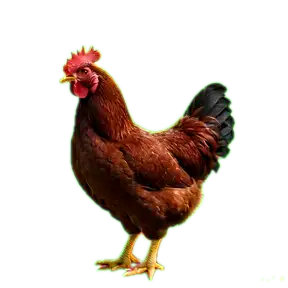
The bird most people picture when they hear the words backyard chicken. Rhode Island Reds were built in New England as dual-purpose farm stock: eggs in quantity, a respectable table bird, toughness first. The extension laying chart puts them at 250 to 280 brown eggs a year, and production strains push 280 to 365. Which end of that spread you get depends on the strain in your chick order, so it pays to ask the hatchery which line they ship.
The egg numbers
| Eggs per year (first laying year) | 250–280 |
|---|---|
| In-lay rate | ≈5 a week |
| Strain note | University extension chart: 250-280. Production strains are selectively bred to average 280-365; old heritage lines sit at the bottom of the range. The hatchery spec table adds a breeder-flock three-year average of 238. |
| Egg color | brown |
| Egg size | large |
| Starts laying | 18–24 weeks |
Body and climate
| Form | standard |
|---|---|
| Strain | production strain |
| APA class | American |
| Comb | single or rose |
| Leg feathering | clean |
| Leg color | yellow |
| Distinguishing features | the state bird of Rhode Island · the characteristic deep red plumage derives from the Malay |
| Bird size | extra large |
| Skin color | yellow |
| Recognized varieties | Two comb varieties admitted to the APA Standard of Perfection: single comb (1904) and rose comb (1906). |
| Weeks to maturity | 19 |
| Mature hen weight | 6.5 lb |
| Mature rooster weight | 8.5 lb |
| Cold hardiness | excellent |
| Heat tolerance | good |
| Climate note | Hatchery breed FAQs call the Rhode Island Red both cold-hardy and heat-tolerant, a good choice for anywhere in the United States. |
Character
| Temperament | Easy to raise and hardy; roosters are noted flock protectors. |
|---|---|
| Disposition | better |
| Free range | good |
| Meat production | better |
| Broodiness | low |
| Broody note | Production strains are bred for less broodiness; heritage-line hens are more likely to sit a nest. |
| Good first breed | Yes |
What this means for your setup
At 6.5 pounds the hens are mid-weight; the extension floor-space guidance of at least three square feet per bird inside roosts them fine. Production Reds rarely sit a nest, so plan on an incubator rather than a broody hen if you ever want a second generation. Roosters run 8.5 pounds and are protective, which cuts both ways in a family yard: a protective bird deserves the sturdiest latch on the coop door.
Gear that fits this breed
Coop Size Calculator
turn 6.5-lb hens into coop, run and roost numbers
Egg Calculator
turn the 250–280 egg-a-year range into a hen count
Best Coops for Cold Climates
a cold-excellent breed earns the winter-spec picks
How Much Space Chickens Need
heavy fowl are the reason the generous end of the space math exists
Rhode Island Red FAQ
How many eggs do Rhode Island Reds lay a year?
The extension laying chart puts Rhode Island Reds at 250-280 eggs a year. Production strains push higher: hatchery FAQs quote 280-365 for their production lines, while heritage strains sit at the lower end.
When do Rhode Island Reds start laying?
Around 18-24 weeks of age, per the hatchery breed FAQs, with maturity at about 20 weeks. They suggest starting layer feed and oyster shell by 16 weeks so the first eggs land on full nutrition.
Are Rhode Island Reds cold-hardy?
Yes, and heat-tolerant too. Hatchery FAQs call the breed a good choice for anywhere in the United States, cold or hot, which matches its New England farm origins.