How Much Space Do Chickens Need? Coop & Run Sizing That Actually Works
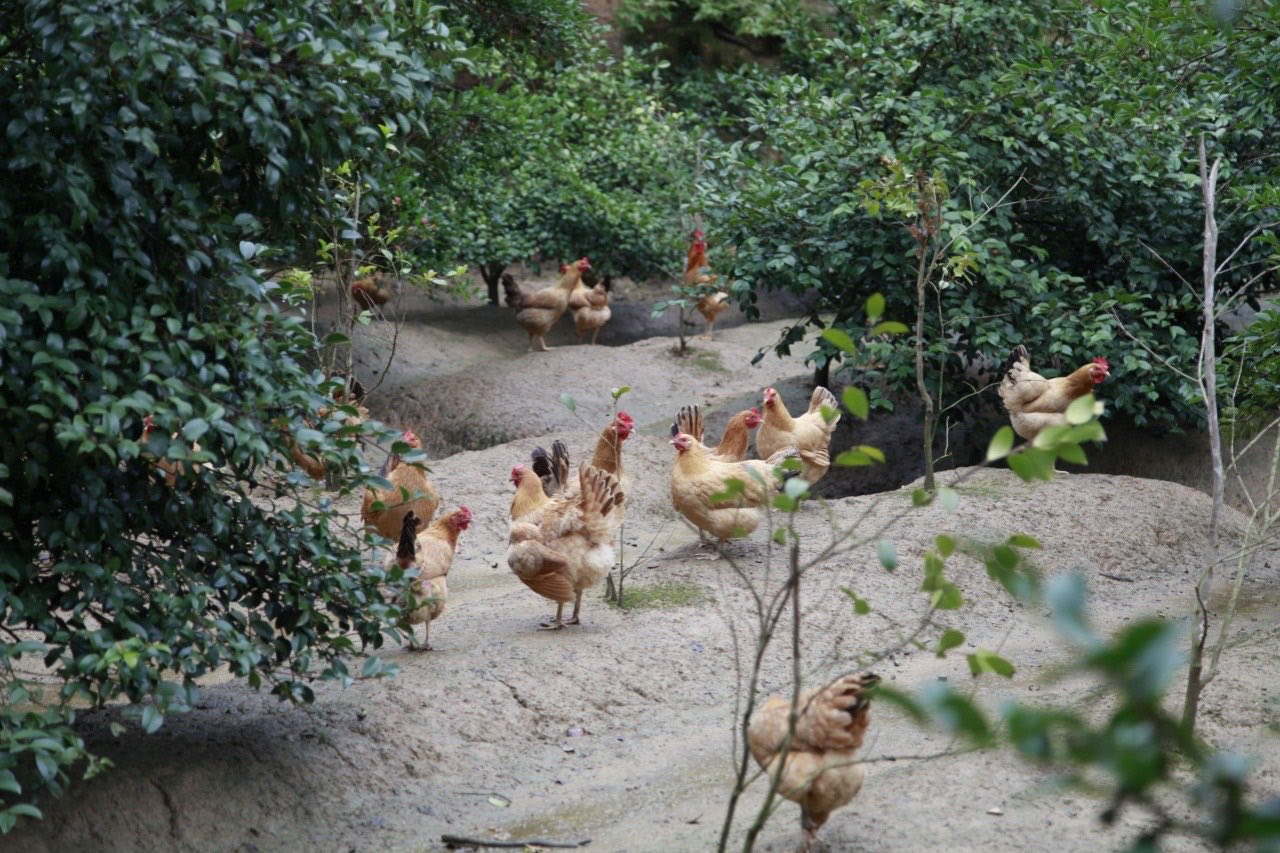
Before you argue about breeds or spend a dollar on gear, get the space math right. Under-spaced coops are behind most of the problems that make people quit: pecking, smell, mites, egg-eating. Here are the numbers, where they come from, and how to apply them to your flock.
Key facts
- Coop interior: ~4 sq ft per standard bird with daily run access (3 sq ft for bantams, 5 for large breeds like Orpingtons and Brahmas).
- Run: ~8–10 sq ft per bird; free-range flocks can run slightly smaller, fully confined flocks need much more.
- Roost bar: 8–12 inches of length per bird. Nest boxes: one per 4 hens.
- “Houses 10 chickens!” coops routinely fail this math — we re-rate every coop we review.
The quick-answer table
| Flock size | Coop interior (min) | Comfortable coop | Run (min) |
|---|---|---|---|
| 2 hens | 8 sq ft | 10 sq ft | 16–20 sq ft |
| 4 hens | 16 sq ft | 20 sq ft | 32–40 sq ft |
| 6 hens | 24 sq ft | 30 sq ft | 48–60 sq ft |
| 8 hens | 32 sq ft | 40 sq ft | 64–80 sq ft |
| 10 hens | 40 sq ft | 50 sq ft | 80–100 sq ft |
| 12 hens | 48 sq ft | 60 sq ft | 96–120 sq ft |
Standard breeds with run access. Bantams can take ~25% less. Large breeds need ~25% more. Run the exact numbers for your flock in the Coop Size Calculator.
Where the 4 sq ft rule comes from
Space guidance varies by source and system — published extension figures run from about 2 sq ft per bird indoors (Penn State’s small-flock guide, for a flock with real outdoor access) up to 4. The national eXtension poultry resource — the land-grant universities’ shared extension service — puts it at “a minimum of 3–4 square feet/hen indoor and 10 square feet/hen outdoor” for laying hens. The 4 sq ft + 8–10 sq ft run figures in this guide are that top end — deliberately so. Coop boxes are rated by sellers at the bottom of the range, so rating them at the top is the corrective. Decades of keeper consensus (BackYardChickens.com forum, r/BackYardChickens) backs the same numbers. The logic behind the floor:
Inside the coop, birds need room for three things at once: the roost, where they spend ~10 hours a night; the floor, where the low-status birds eat and wait; and air movement. Moisture and ammonia have to leave — eXtension’s housing overview is blunt: poultry housing “should be dry and draft-free,” and excess moisture becomes ammonia. Packed birds → wet litter → ammonia → respiratory disease. The 4 sq ft figure is the smallest floor that keeps litter workable between cleanings when the birds can leave.
The run is where they actually live. Chickens awake in the coop are birds waiting for the door to open. Eight to ten square feet each on dirt or grass is the minimum that lets a normal hierarchy exist without constant harassment.
The adjustments that matter
Breed size. A serama and a Brahma are not the same animal. Bantams: ~3 sq ft inside. Standard layers (Rocks, Reds, Leghorns): 4. Large breeds: 5, because feather mass and heat need airflow.
Free-range credit — apply it carefully. True free-range most of the day? You can shrink the run somewhat, never the coop: at night every bird is inside, and night is when space math is unforgiving. A fenced suburban yard with a hawk is not free range — it’s a run with a view.
Climate. Wet-winter climates (Pacific Northwest, Northeast) push toward the bigger number — if your run turns to mud for a stretch, birds crowd under cover instead of spreading out. Add a covered run section and you’ve solved two problems.
Your actual bird count. “Six now, but the farm store is selling chicks in February.” Size for the flock you’ll have in year two, not the one in the brooder today.
The rest of the interior math
- Roost: 8–12 inches of bar per bird, all at the same height (pecking order disputes happen on lower bars), with droppings board or tray beneath.
- Nest boxes: one 12×12” box per 4 hens — six hens need two. More boxes just get slept in.
- Feeder space: ~2.5 linear inches per bird at the trough. One 3-gal waterer serves roughly 12 hens for a day.
- Doors and height: a full-height human-access door is the single best cleaning feature a coop can have.
- Ventilation: openings above roost height, sized generously and draft-protected — roughly the difference between healthy birds and a snotty-nosed flock by January.
Signs you’re already under-spaced
Feather loss on backs without visible mites. Persistent pecking at one bird. Droppings-smeared everything by day two after cleaning. Hens laying in corners instead of boxes. A coop that smells before you even open the door. All five reverse when floor space per bird goes up.
One more thing: the law
Many cities allow hens (not roosters) with conditions — a distance-from-structure rule, a maximum flock count, or a permit. Check your municipal code before the coop arrives. “How many” and “how far from the neighbor’s house” are the two clauses that decide everything.
Next steps
- Run your numbers: Coop Size Calculator
- See coops that pass the math: Best Chicken Coop for 6 Chickens
- Winter-proof the water side: Best Heated Chicken Waterers
Sources
- eXtension — Space allowances in housing for small and backyard poultry flocks (“a minimum of 3–4 square feet/hen indoor and 10 square feet/hen outdoor”)
- eXtension — Small-scale poultry housing: overview (dry and draft-free housing; moisture and ammonia)
- Penn State Extension — Successfully raising a small flock of laying chickens (the low end of the published range, ~2 sq ft/bird with outdoor access — cited as evidence the range varies)
- Community cross-check: BackYardChickens.com forum, r/BackYardChickens (space-related behavior reports)
Guide last reviewed: September 2026. General planning information, not veterinary or legal advice.