Breed profile
Salmon Faverolles
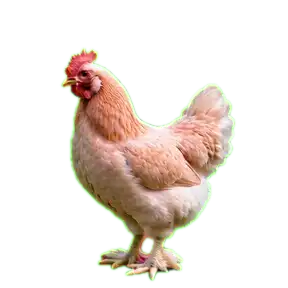
The bearded, five-toed gentlebird of French farmyards. Faverolles were built as utility fowl in France, and hatchery listings still bill the Salmon variety as a winter egg layer: 180 to 240 eggs a year in light brown to peachy shades. Temperament is the breed's calling card, famously calm and friendly, so friendly that they get bullied in mixed flocks. For families with kids, this is the breed the pet-trade reviews point to.
The egg numbers
| Eggs per year (first laying year) | 180–240 |
|---|---|
| In-lay rate | ≈3–5 a week |
| Strain note | The hatchery's Salmon Faverolle estimate: 180-240 eggs per year, light brown, tinted, or peachy shells. |
| Egg color | tinted |
| Egg size | medium |
| Starts laying | 20–26 weeks |
| Winter laying | strong |
Body and climate
| Form | standard |
|---|---|
| Strain | heritage |
| APA class | Continental |
| Comb | single |
| Leg feathering | feathered |
| Leg color | white |
| Distinguishing features | beard and muffs · feathered feet · five toes per foot rather than the usual four |
| Bird size | large |
| Skin color | white |
| Recognized varieties | Salmon is the most common color; white, black, ermine, cuckoo, mahogany, splash and blue also exist. |
| Conservation status | Watch |
| Weeks to maturity | 19 |
| Mature hen weight | 6.5 lb |
| Mature rooster weight | 8 lb |
| Weight note | The hatchery flock lists 6.5 and 8 lb; the British Poultry Club standard runs larger (hens to 9.5 lb). |
| Cold hardiness | good |
| Heat tolerance | good |
| Climate note | The hatchery Q&A ties their poor free-range grade to the fluffy facial feathering: the extra cheeks make them less likely to see a predator. |
Character
| Temperament | Famously calm, friendly, and gentle; so docile they tend to get bullied in a mixed flock. |
|---|---|
| Disposition | better |
| Free range | poor |
| Meat production | poor |
| Broodiness | high |
| Broody note | One table rates them extremely likely to sit; another grades it variable. |
| Good first breed | Yes |
What this means for your setup
Plan the flock mix around their gentleness: Faverolles sink in pecking-order fights, so pair them with other docile breeds and give extra feeder and waterer stations. Winter laying is the practical bonus; five toes and feathered shanks bring light mud management. Weight data differs by source (hatchery hens at 6.5 lb, the British standard up to 9.5), so size housing for the bigger end if you order show-type stock.
Gear that fits this breed
Coop Size Calculator
turn 6.5-lb hens into coop, run and roost numbers
Egg Calculator
turn the 180–240 egg-a-year range into a hen count
Best Heated Waterers
strong winter laying only pays off if the water isn't frozen
Brooder Temperature Chart
a broody breed hatches chicks, and chicks need the week-by-week heat schedule
How Much Space Chickens Need
heavy fowl are the reason the generous end of the space math exists
Salmon Faverolles FAQ
How many eggs do Salmon Faverolles lay?
The hatchery estimate is 180-240 eggs per year in light brown, tinted, or peachy shades, and the breed has a winter-laying reputation going back to its French utility origins.
Are Faverolles good with kids?
Yes; they're famously calm, friendly, and gentle, a strong choice for families and young poultry keepers. The flip side: they can be bullied by assertive breeds in mixed flocks.
Do Faverolles have five toes?
They do; the hatchery headline description includes five toes, bearded faces, muffs, and feathered shanks.