Breed profile
Cochin
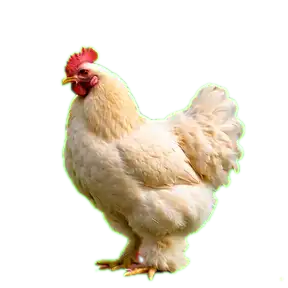
The ball of fluff that started America's first chicken craze. Cochins arrived from China in the 1840s-50s and their huge, feather-legged fluffiness caused a sensation. As layers they're modest: the extension chart puts Standard Cochins at 100 to 160 eggs a year, though the breed lays well in winter and the eggs run very large. The Cochin's real product line is broodiness and beauty.
The egg numbers
| Eggs per year (first laying year) | 100–160 |
|---|---|
| In-lay rate | ≈2–3 a week |
| Strain note | The extension chart: Standard Cochins at 100-160. Published references add that the breed is a good layer of very large eggs and lays well in winter. |
| Egg color | brown |
| Egg size | extra large |
| Starts laying | 24–30 weeks |
| Winter laying | strong |
Body and climate
| Form | standard |
|---|---|
| Strain | heritage |
| APA class | Asiatic |
| Comb | single |
| Leg feathering | feathered |
| Leg color | yellow |
| Distinguishing features | the excessive plumage that covers leg and foot is the breed's signature |
| Bird size | large |
| Skin color | yellow |
| Recognized varieties | Nine APA colours for full-sized birds: barred, black, blue, brown, buff, golden-laced, partridge, silver-laced and white. |
| Conservation status | Watch |
| Weeks to maturity | 20 |
| Mature hen weight | 8 lb |
| Mature rooster weight | 10.5 lb |
| Weight note | Standard ranges: males 3.6-5.9 kg (8-13 lb), females 3.2-5.0 kg (7-11 lb); midpoints shown. |
| Cold hardiness | good |
| Heat tolerance | good |
Character
| Temperament | Calm and ornamental; the 1840s hen-fever original. |
|---|---|
| Disposition | best |
| Free range | poor |
| Meat production | poor |
| Broodiness | high |
| Broody note | The hens are good sitters and good mothers, and may be used to hatch the eggs of turkeys and ducks. |
| Good first breed | Not the easiest pick |
What this means for your setup
Treat this as a heavy Asiatic bird, 7 to 11 pounds for hens, with all the coop math that implies, plus feathered-leg mud management like the Brahma. The broodiness is the feature: the hens will hatch turkey and duck eggs, which makes a Cochin the family flock's natural incubator. If maximum eggs is the goal, this is the wrong bird; if winter-laying charm and a living incubator sound good, it's the right one.
Gear that fits this breed
Coop Size Calculator
turn 8-lb hens into coop, run and roost numbers
Egg Calculator
turn the 100–160 egg-a-year range into a hen count
Best Heated Waterers
strong winter laying only pays off if the water isn't frozen
Brooder Temperature Chart
a broody breed hatches chicks, and chicks need the week-by-week heat schedule
How Much Space Chickens Need
heavy fowl are the reason the generous end of the space math exists
Cochin FAQ
How many eggs do Cochins lay a year?
The extension chart puts Standard Cochins at 100-160 eggs a year, and the breed lays well in winter with eggs running very large.
Are Cochins broody?
Strongly. The hens are good sitters and good mothers, used to hatch the eggs of turkeys and ducks.
How big do Cochins get?
Standard ranges run 7-11 lb for females and 8-13 lb for males, on heavily feathered legs.