Breed profile
Light Brahma
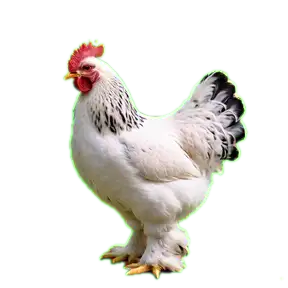
The gentle giant with feathered slippers. Brahmas are American-bred from Asian imports, and modern birds average 12 pounds for roosters and 10 for hens, with nineteenth-century giants recorded at 18. The hatchery estimate runs 180 to 240 brown eggs a year, and the breed pairs a quiet, docile temperament with genuine cold tolerance. If winter eggs from a giant bird sound right, the Brahma is the classic answer.
The egg numbers
| Eggs per year (first laying year) | 180–240 |
|---|---|
| In-lay rate | ≈3–5 a week |
| Egg weight | 55–60 g |
| Strain note | The hatchery's Light Brahma estimate: 180-240 brown eggs per year, with the note that Brahmas often lay well during cooler months. |
| Egg color | brown |
| Egg size | large |
| Starts laying | 24–30 weeks |
| Winter laying | strong |
Body and climate
| Form | standard |
|---|---|
| Strain | heritage |
| APA class | Asiatic |
| Comb | pea |
| Leg feathering | feathered |
| Leg color | yellow |
| Distinguishing features | heavily feathered shanks and toes |
| Bird size | extra large |
| Skin color | yellow |
| Recognized varieties | Three color varieties recognised in the American Standard of Perfection: light, dark and buff. |
| Weeks to maturity | 20 |
| Mature hen weight | 10 lb |
| Mature rooster weight | 12 lb |
| Weight note | Averages about 5.5 kg (12 lb) for cocks and 4.5 kg (10 lb) for hens; historic giants reached 18 lb. |
| Cold hardiness | excellent |
| Heat tolerance | good |
| Climate note | The hatchery description: Brahmas adapt to most climates and remain very cold tolerant thanks to heavy bodies and thick feathering; feathered feet can collect mud. |
Character
| Temperament | Quiet, docile, easy to handle; a family favorite. |
|---|---|
| Disposition | excellent |
| Free range | poor |
| Meat production | better |
| Broodiness | high |
| Broody note | The hatchery lists excellent broodiness among the breed's headline traits. |
| Good first breed | Yes |
What this means for your setup
Everything scales up for a Brahma: roost space, pop-door width, and the generous end of every calculator on this site. The cold story is excellent, but the feathered shanks and toes bring a mud-and-ice management chore in wet climates (the hatchery flags it directly), so think run drainage before you order. Broodiness is excellent per the hatchery, which pauses laying but makes them the natural incubators of a family flock.
Gear that fits this breed
Coop Size Calculator
turn 10-lb hens into coop, run and roost numbers
Egg Calculator
turn the 180–240 egg-a-year range into a hen count
Best Coops for Cold Climates
a cold-excellent breed earns the winter-spec picks
Best Heated Waterers
strong winter laying only pays off if the water isn't frozen
Brooder Temperature Chart
a broody breed hatches chicks, and chicks need the week-by-week heat schedule
How Much Space Chickens Need
heavy fowl are the reason the generous end of the space math exists
Light Brahma FAQ
How many eggs do Brahma hens lay a year?
The hatchery estimate for Light Brahmas is 180-240 brown eggs per year, and Brahmas often lay well during the cooler months.
Are Brahmas cold-hardy?
Yes. The hatchery description calls them very cold tolerant because of their heavy bodies and thick feathering, while noting the feathered feet can collect mud in wet runs.
How big do Brahmas get?
Modern averages run about 12 lb for roosters and 10 lb for hens, with historic birds recorded at up to 18 lb.